
Skip to content
Orminel

Drag to rotate · click a node

§ 01 — What we trade

Metals that power the world.

We trade metals across every stage of the supply chain — from primary production to recycling and recovery.

01

Base Metals

The foundation of industry.

Base metals are the building blocks of the modern world. They go into everything from electrical wiring and pipes to cars, bridges and household appliances. We buy and sell these metals on behalf of producers and buyers around the world.
Cu

Copper

Copper has been used by humans for thousands of years. Today it is found in almost every electrical system, water pipe, phone and machine on the planet. Without copper, modern infrastructure simply would not work.

Copper

Zn

Zinc

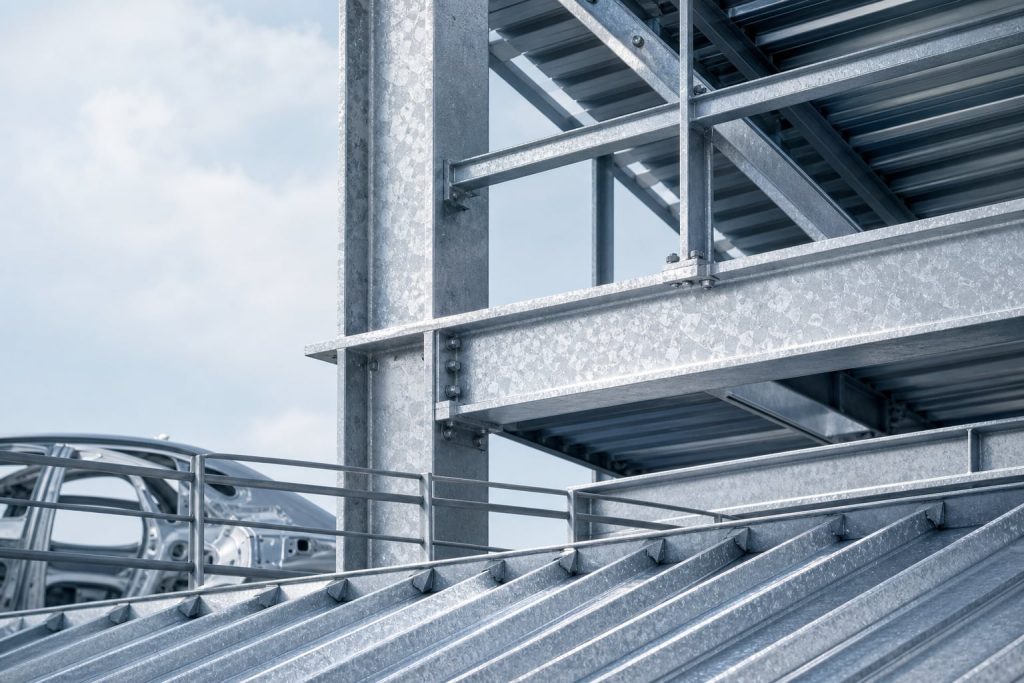
Zinc is best known for its ability to protect steel from rust — a process called galvanising. You will find it in steel beams, car bodies, guardrails and roofing. It is also used in brass, tyres and many everyday products.

Zinc

Pb

Lead

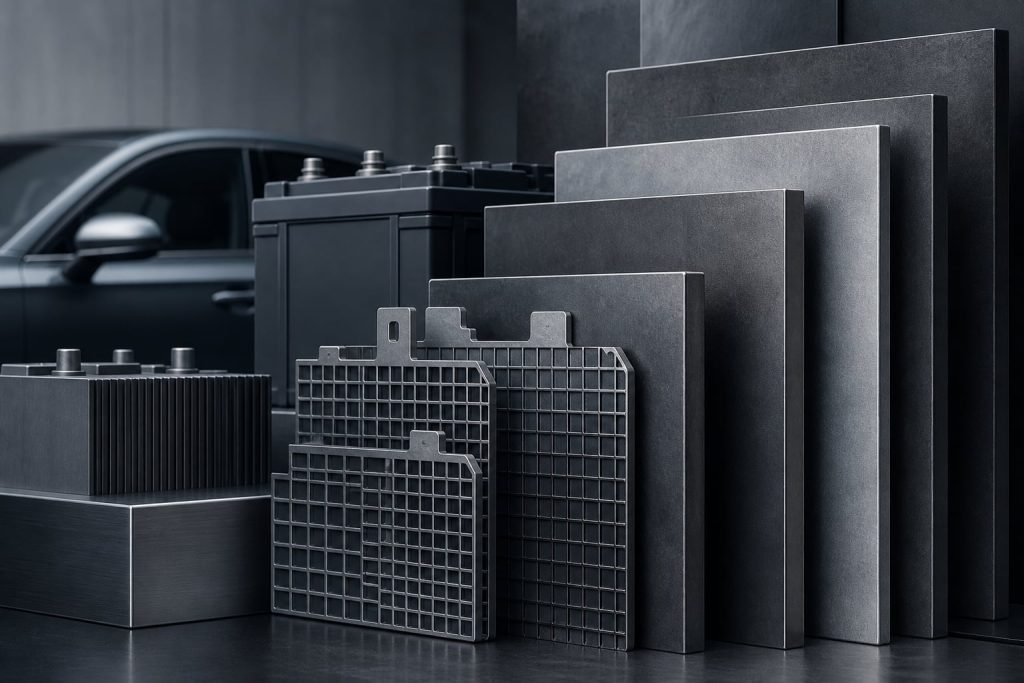
Lead is a heavy, soft metal that has been used industrially for centuries. Its main use today is in lead-acid batteries — the kind found in cars and backup power systems. It is also used to block radiation in hospitals and nuclear facilities.

Lead

Ni

Nickel

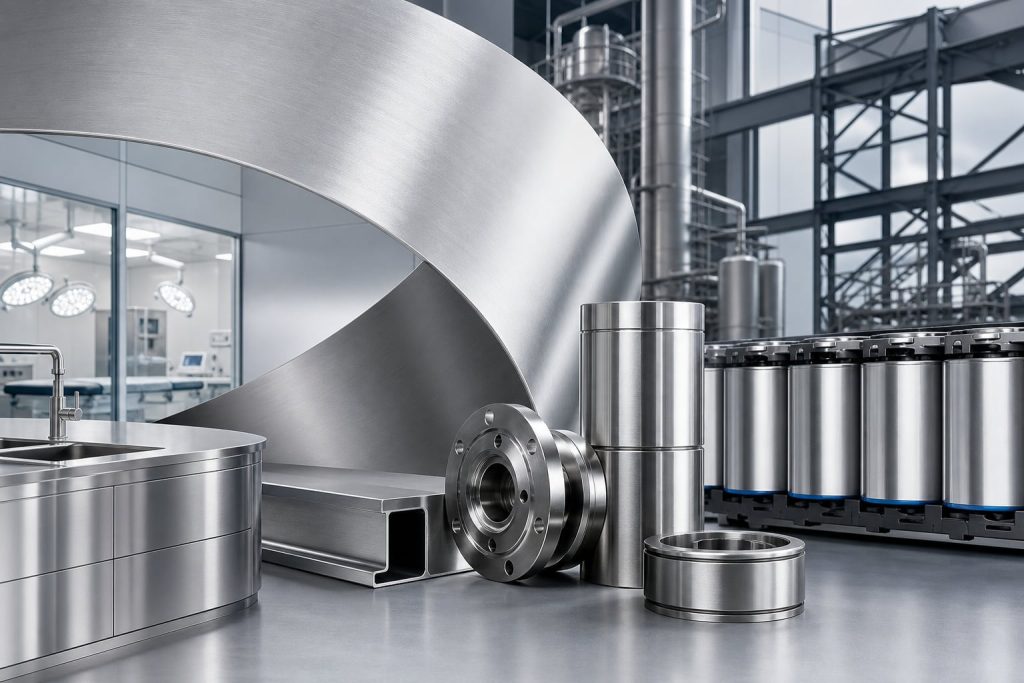
Nickel makes steel stronger, harder and more resistant to rust and heat. Most of the nickel produced in the world goes into stainless steel — the material used in kitchens, hospitals, factories and construction. It is also increasingly important in electric vehicle batteries.

Nickel

02

Battery Materials

Fuelling the energy transition.

The move to electric vehicles and clean energy has created enormous demand for a new group of metals. We work with producers and manufacturers across this supply chain, helping metals get from the ground to where they are needed.
Li

Lithium

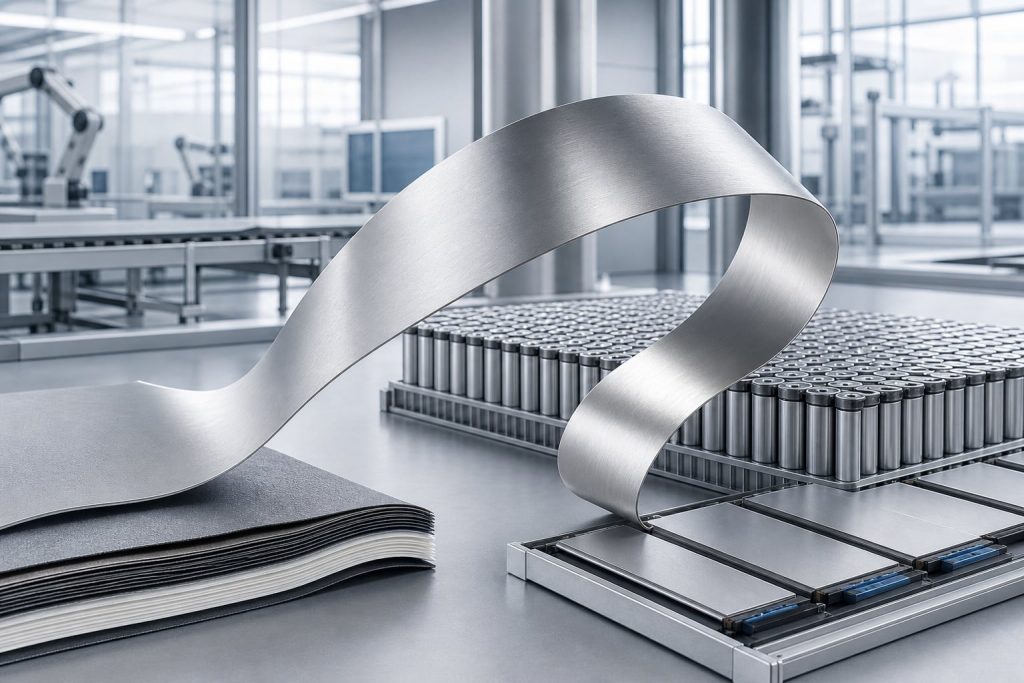
Lithium is the lightest metal on earth. It is the key ingredient in the rechargeable batteries that power smartphones, laptops and electric cars. As the world moves away from fossil fuels, demand for lithium is growing rapidly.

Lithium

Co

Cobalt

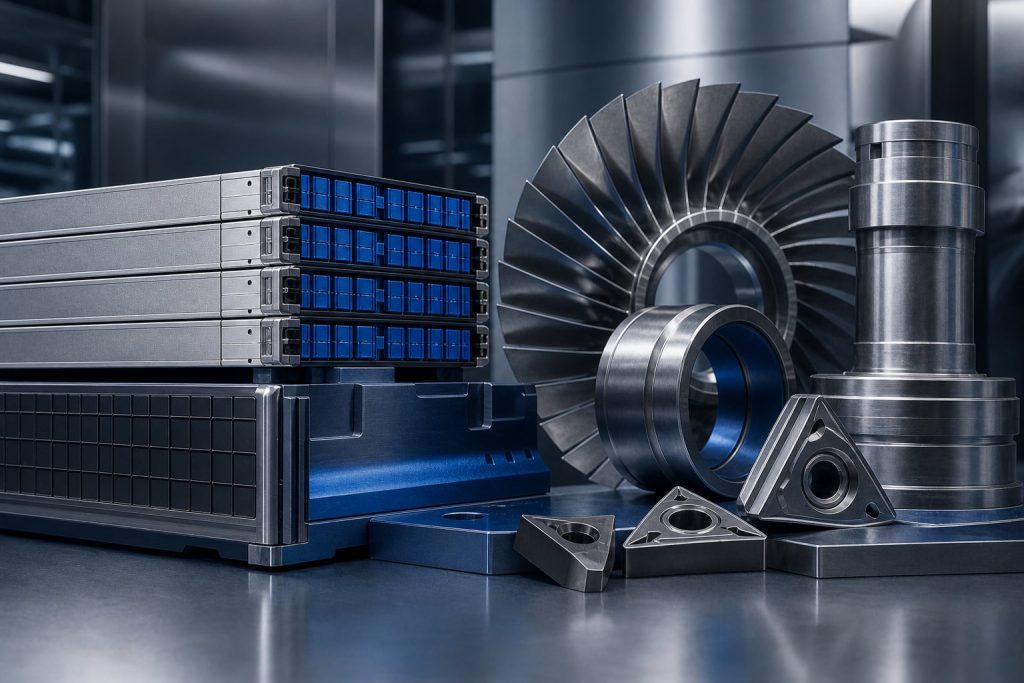
Cobalt is used in the batteries that power electric vehicles and consumer electronics. It helps batteries last longer and perform more reliably. It is also used in jet engine alloys and industrial cutting tools.

Cobalt

Ni

Nickel

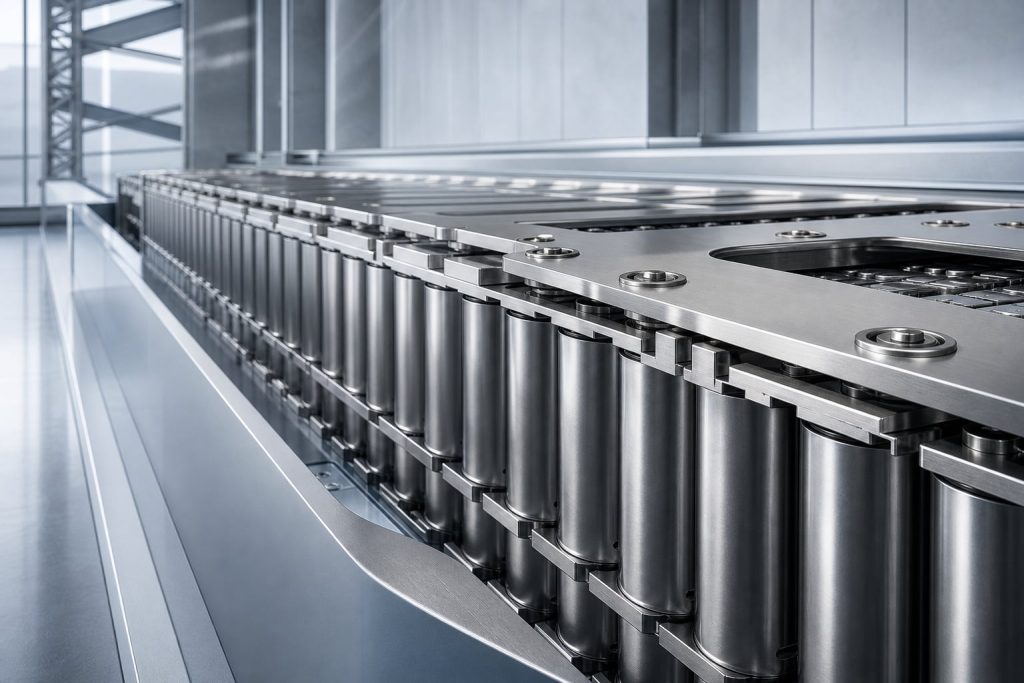
High-purity nickel is a key ingredient in modern electric vehicle batteries. More nickel in a battery means more energy stored — which means a longer range for the car. It is one of the reasons nickel demand is growing so fast.

Nickel

03

Refined Metals

From mine gate to refinery.

Before a metal reaches its final form, it goes through several stages of processing. We trade metals at these intermediate stages — from raw concentrate fresh out of the mine to refined metal ready for industrial use.
Cu

Copper Concentrates

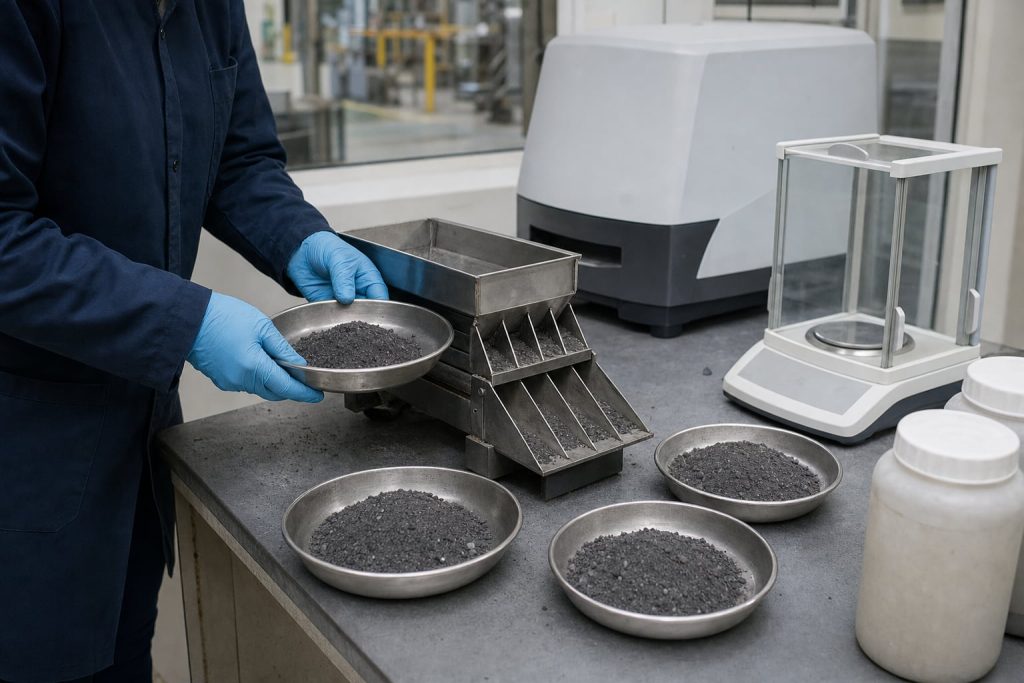
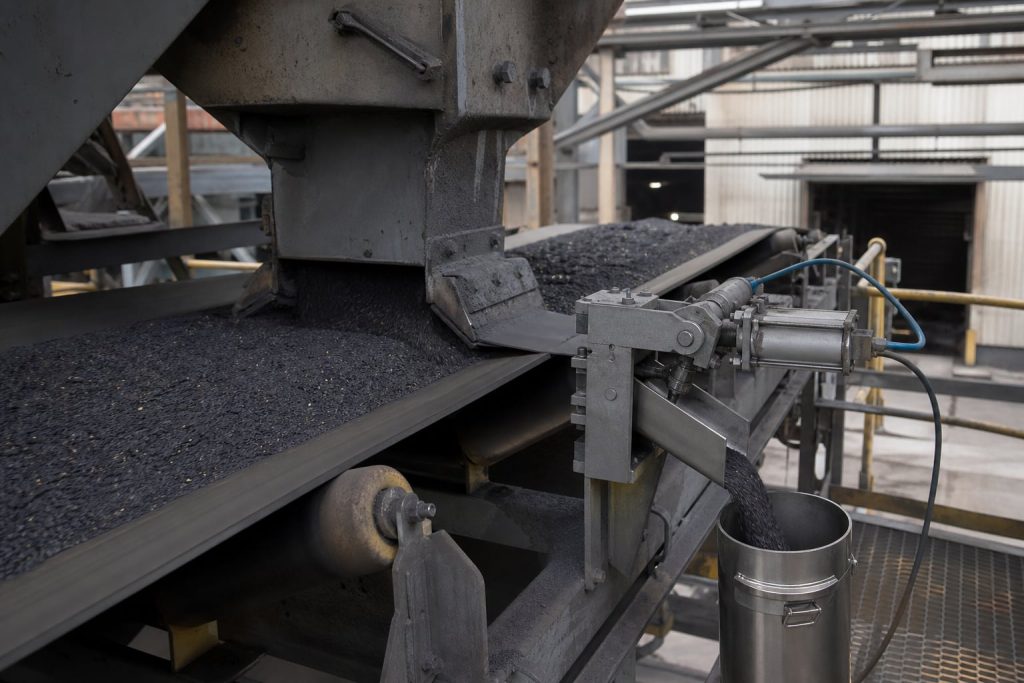
When copper is mined, the ore is first crushed and processed at the mine into a powder called concentrate. This concentrate — which contains around 25–35% copper — is then shipped to a smelter, where it is melted down and refined into pure copper ready for use.

Copper Concentrates

Zn

Zinc Concentrates

Zinc concentrate is the material that comes out of a zinc mine after the ore has been processed on site. It contains around 50–55% zinc and needs to be processed further at a smelter before it becomes usable zinc metal.

Zinc Concentrates

Pb

Lead Concentrates

Lead concentrate is usually produced alongside zinc at the same mine. It contains a mix of lead, silver and other minerals. Because the silver content can be significant, it is important to measure the exact composition carefully before agreeing on a price.

Lead Concentrates

04

Recycling & Tailings

Turning waste into value.

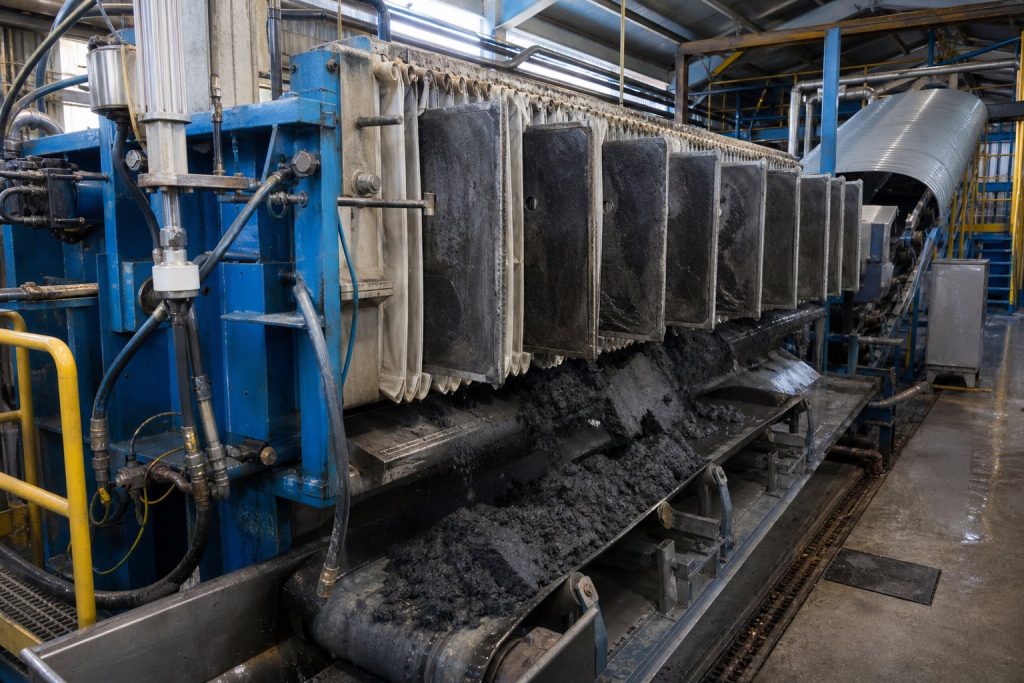
Mining and metal processing always leave something behind — residues, dust, slag, and tailings that still contain valuable metals. Instead of letting that value go to waste, we find buyers for these materials and connect them with facilities that can process them. It is good business and good for the environment.

I

Mining Residues & Tailings

Recovery of copper, zinc, lead and precious metals from tailings ponds and process residues — extending the value of existing operations.

II

Metallurgical By-products

Slags, dusts, sludges and other by-products from smelting and refining operations — converted into tradeable commodities.

III

Off-grade & Out-of-spec Materials

Materials outside standard specifications — matched to processors and recyclers who can extract full value.

IV

Chemical Process Residues

Residues from chemical and hydrometallurgical processing — assessed, traded and delivered to specialist treatment facilities.

More value from every tonne — including what others leave behind.

§ How we trade

Physical & term

We trade both on the spot market and on longer-term agreements — giving our partners the certainty they need to plan ahead.

Logistics & docs

We handle all the paperwork and logistics — freight, insurance, customs clearance and payment documents — so our partners don't have to.

Secondary recovery

We find buyers for the materials left over from mining and processing — making sure nothing of value goes to waste.

Powered by data

We use our own data models to predict where commodity prices are heading. This helps us trade at the right time and get better outcomes for our partners.